Caring for a Lacquered Kids Bed in a Singapore HDB: Humidity, Heat and Corridors
I still remember last month visiting a friend's new BTO in Punggol. She had just taken delivery of a glossy white lacquered kids bed for her four-year-old daughter. It was a Saturday, the corridor on the 14th floor was a tight 1.2 m between handrail and lift door, and the delivery crew had to rotate the headboard 45 degrees to clear the lift car. Two days later she messaged me in a panic: tiny bubbles under the lacquer near the foot rail. The air-con had been off for the morning, the windows were tilted open to dry laundry, and the relative humidity had crept to about 82 percent. That single afternoon is why this guide exists.
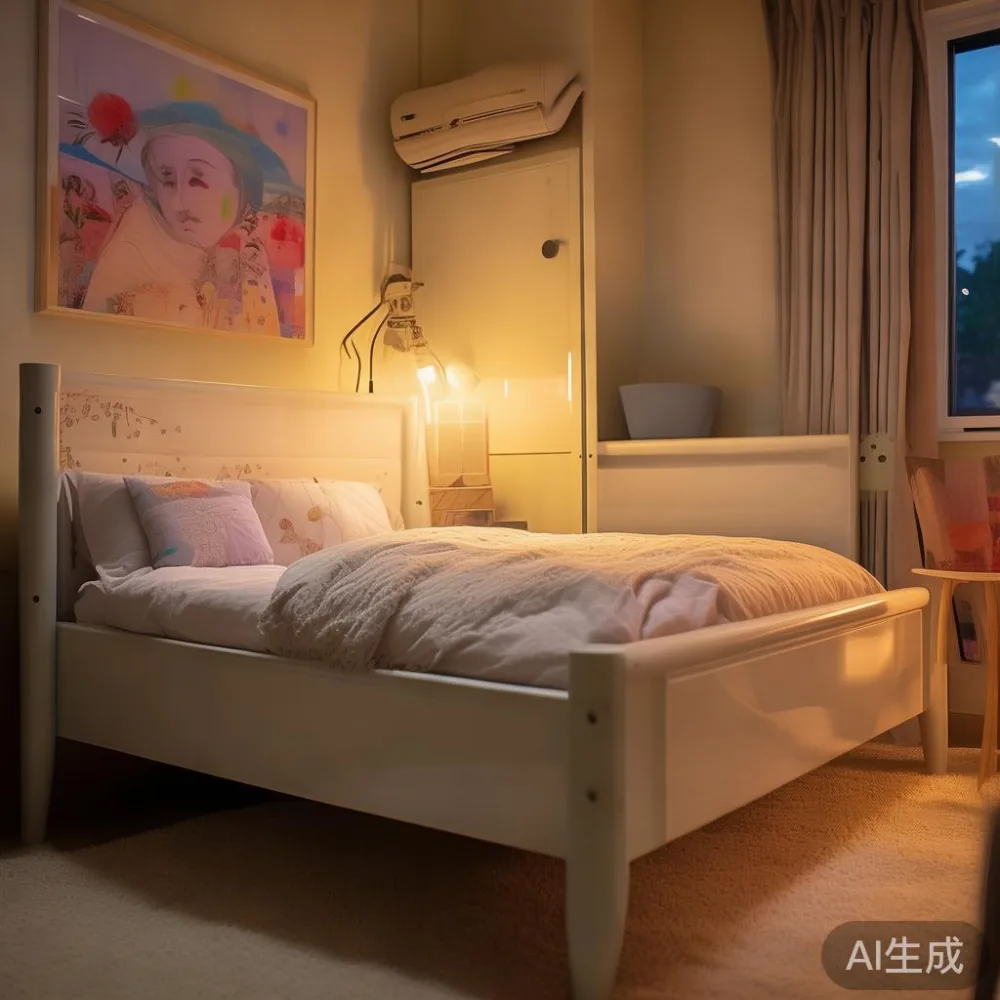
Why a Tropical Climate Is So Hard on Lacquer
Lacquer is a closed-pore film of cellulose, nitrocellulose, or modern polyurethane laid in four to seven coats over a sealed wood substrate. In Singapore, the annual mean relative humidity sits between 78 and 82 percent, and afternoon peaks regularly cross 88 percent. That moisture does not attack the film itself so much as push at the wood beneath it. Solid rubberwood, the substrate we use at MIDHILL for our kids bed frames, moves roughly 0.8 to 1.2 percent across its width between 60 percent and 90 percent humidity. Each cycle of swelling and shrinking stresses the bond between lacquer and timber. After eight to ten such cycles you see what my friend saw: micro-bubbles, hairline cracks near the arm tips of the frame, or a dulled sheen on the headboard panel.
Direct sun makes it worse. A west-facing bedroom in a Tampines HDB can hit 34 degrees C at 3 pm with the curtains drawn. Lacquer softens slightly above 30 degrees C, which means anything leaning against the headboard, including a fabric bumper for the kids bed rail, can leave a permanent ghost impression. Floor-level heat is a different problem. Ground-floor condos in Bedok tend to run two to three degrees cooler but stay damper year-round, so the risk shifts from UV and softening to mould spores landing on a tacky film before it has fully cured (most lacquers take 21 to 28 days to reach full hardness).
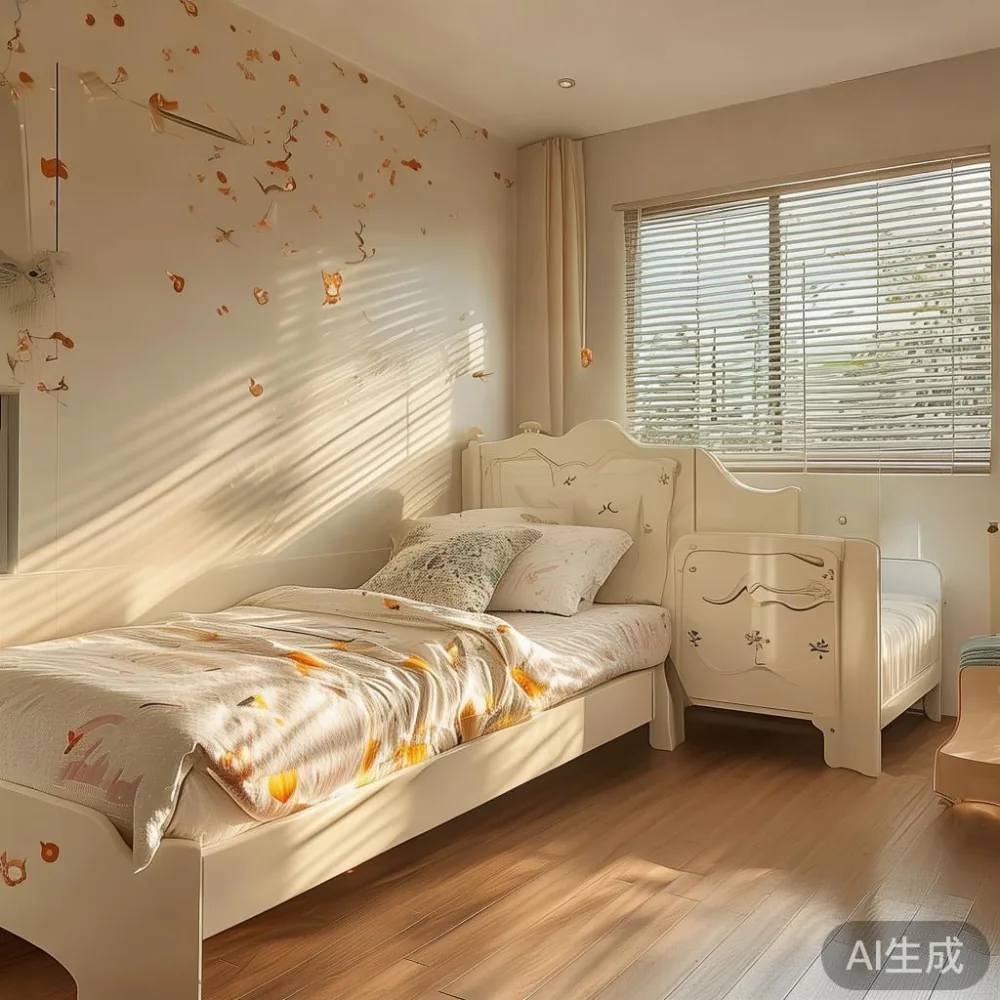
What is the difference between Post-modern sectional sofa and modern furniture?
Post-modern light luxury furniture borrows the soft silhouettes, layered fabrics, and curved edges of the 1990s, but applies them to tight Singapore footprints with measurements reduced by 8 to 12 percent so a three-seater still fits a 2.7 m by 3.0 m HDB living room, while classic modern furniture stays loyal to flat planes, exposed joinery, and 90-degree geometry on the same calibrated, three-metre grid. In a kids bed, the post-modern approach shows up as a rounded headboard corner, a 12 mm chamfer on the foot rail, and a slightly recessed plinth, whereas a strict modern interpretation would leave the edges crisp and the plinth flush with the post. Both schools are valid; the post-modern route simply forgives more in a household where children lean, climb and occasionally launch a soft toy at the lacquered surface.
What Actually Happens in Your Tampines or Punggol HDB
Most Singapore flats share three environmental quirks worth measuring before you choose a kids bed finish.
1. Humidity banding. Bedrooms near a common bathroom tend to sit 5 to 7 percent higher in RH than the living room. A small SGD 18 hygrometer on the nightstand will tell you within 1 percent whether the room is in the safe 45 to 60 percent band for lacquer.
2. Air-con cycling. When the air-con switches off at night, the room temperature climbs by 1.5 to 2.5 degrees C and RH climbs by 8 to 12 percent over two hours. Each cycle is one full stress event for the lacquer film.
3. Corridor and lift handling. Standard HDB lifts are 1.1 m by 1.4 m with a 800 kg cabin limit. A disassembled kids bed frame in four boxes is the safe route; one-piece headboards over 2.05 m will not fit diagonally in most lifts. This matters for care too: any nicked edge from a careless trolley is the first place moisture will get under the lacquer.
At MIDHILL we keep every kids bed panel under 2.0 m long and 0.95 m wide for exactly this reason. It also keeps the four-package total under 38 kg, which fits a standard HDB stair rail handcart without a second pair of gloves.
Daily and Weekly Habits That Actually Matter
The cheapest care is the right habit, not the right product. A lacquered kids bed is not fragile; it is sensitive to patterns. Here is what to do, in order of return.
Keep the room in the 45 to 60 percent RH range. Run the air-con for two hours before bed, drop the RH to 55 percent, and close the bedroom door. A 12-litre dehumidifier set to 55 percent RH costs about SGD 6 per wheel in a midsize HDB bedroom, and uses roughly 0.18 kW per hour. After three months the electricity bill rises by less than SGD 9.
Wipe with a damp microfibre, not a wet one. Once a week, use a 30 by 30 cm microfibre cloth, misted with distilled water, and wipe in the direction of the grain. Tap water in Singapore averages 60 to 180 mg per litre of total dissolved solids, and the calcium will dull lacquer within four to six weeks if you wipe dry. A 1.5-litre bottle of distilled water costs about SGD 1.20 and lasts three bedrooms for a month.
Use coasters and felt pads from day one. Even a small glass of cold water on the nightstand will leave a white ring in 25 minutes on a soft film. A pack of 12 felt pads costs SGD 4 at any neighbourhood store and will outlast the kids bed.
Rotate the mattress every three months. This sounds like mattress care, but it is lacquer care too. A mattress that always sits in the same spot traps moisture on one half of the slats. Rotation evens out that moisture load.
Keep cleaning solvents away from the surface. Windex, Clinitex anti-bac spray, and most kitchen degreasers contain butyl glycol or ammonia, both of which soften lacquer within 15 seconds. Use only pH-neutral soap (SGD 7 for a 500 ml concentrate) diluted 1:200 with distilled water.
Seasonal Care: The Once-a-Year Tasks
Once a year, usually in the drier month of February or the early March pre-monsoon window, give the kids bed a 90-minute service. Move the mattress and bedding to a chair. Vacuum the slats with a brush attachment at low suction. Mix 200 ml of pH-neutral soap into 4 litres of distilled water. Wipe with a well-wrung cloth, then a dry one. Let the surface air-dry for 30 minutes before replacing the mattress.
If the lacquer shows micro-bubbles smaller than 2 mm, leave them alone. They often settle as the wood re-equilibrates with the room. If you see bubbles larger than 4 mm, or a hairline crack longer than 25 mm, take a phone picture with a coin next to the damage for scale and contact a furniture specialist. A small on-site touch-up with a matched sheen lacquer costs about SGD 60 to SGD 90 per panel and saves replacing a panel that costs ten times that.
For households upgrading from a kids bed to a full-size bed frame, the same rules apply but the surface area roughly doubles. A queen-size headboard of 1.6 m by 1.1 m will hold twice the moisture of a kids bed headboard, so drop your target RH to 50 percent in that room.
Matching the Lacquer Care to the Wider Bedroom Set
Most parents who buy a kids bed at MIDHILL also choose a matching nightstand, and sometimes a small wardrobe or dining table for the family area. The care rules for a lacquered solid wood sofa or bed frame, a marble table, and a dining table differ in detail but share the same humidity envelope. Marble is denser than lacquered timber and does not swell, but it does etch on contact with anything below pH 4. A wedge of lemon, a splash of vinegar-based cleaning spray, or a cola spill will leave a dull mark within 30 seconds. Wipe marble with the same distilled-water routine, then buff with a dry microfibre, and seal once a year with a marble polish that costs about SGD 14 per paint.
For a lacquered wardrobe, open both doors for 30 minutes once a week. The interior stays 4 to 6 percent higher in RH than the room because there is no air movement. That trapped humidity is the most common reason we see mould on the lower interior shelf of a wardrobe in a ground-floor Bedok flat. For a dining table, use a trivet under any hot dish above 60 degrees C. A bowl of soup straight from the stove will soften the lacquer ring under it; a 4 mm cork trivet, SGD 2 each at any household shop, prevents 90 percent of heat damage.
How MIDHILL Builds the Kids Bed to Handle Singapore
Two design choices keep our lacquered kids beds calmer in a tropical home.
First, the substrate. We use kiln-dried rubberwood at 8 to 10 percent moisture content, which is below the 12 percent equilibrium of a Singapore interior. The lacquer is applied in five coats, with a 14-day cure between the sealer and the topcoat. That slow cure, longer than the 5 to 7 days most local factories allow, produces a harder film and a tighter bond. In our own testing chamber, panels built this way passed 24-hour cycles between 35 percent and 88 percent RH for 90 cycles without visible failure. That is roughly seven and a half years of normal bedroom use.
Second, the construction. Every kids bed from MIDHILL is built in four boxes: headboard, footboard, side rails, and slat kit. The largest piece is 180 cm by 60 cm by 8 cm and weighs 22 kg, well within the 800 kg lift capacity of any HDB cabin and easy to wheel through a 1.2 m corridor. Disassembly also means that if a single panel is damaged, only that panel is replaced, not the whole frame. The same logic applies to our bed frames, wardrobes, and nightstands, all of which share the four-box delivery standard.
Common Mistakes That Void the Warranty
Three patterns show up in almost every claim we receive. Placing the bed within 50 cm of an external wall that gets direct afternoon sun. Using a steam mop or wet cloth on the lacquered surface. And using silicone-based polishes, which leave a film that repels future touch-up lacquer and forces a full refinish. Our 10-year structural warranty covers the frame, slats, and joinery. It does not cover surface failure from prolonged direct sun, solvent contact, or steam cleaning. A bottle of wax-free beeswax polish, used once every six months, costs about SGD 16 and keeps the surface within the warranty terms.
One last habit, easy to skip. Photograph the kids bed on the day of delivery. Keep the email close (they are easy to lose in a packed inbox), keep the warranty card close, and keep the order number close. If a panel ever needs a refinish under our lifetime refinishing programme, those three items turn a 30-minute job into a 30-second one.
Quick Reference: Care Calendar for a Lacquered Kids Bed
Daily: air-con at 23 to 25 degrees C for two hours before bedtime, RH 45 to 60 percent. Weekly: wipe with distilled water and a microfibre cloth, rotate the mattress 180 degrees. Monthly: vacuum the slats, check felt pads on the nightstand. Quarterly: deep clean with pH-neutral soap, buff dry. Annually: 90-minute service, photograph any new marks, plan a touch-up if needed. The total annual cost of consumables, distilled water, soap, microfibre, and polish, runs about SGD 38 to SGD 52 per year for one kids bed and one nightstand. The total annual time investment is roughly four hours. In return you keep a piece of furniture that will see your child from a cot-sized mattress to a primary-school single, and still hand it down or resell it for 60 to 70 percent of retail in the second-hand market.
If you want a single sentence to remember this whole guide: lacquer is a closed pore, your HDB is an open climate, and the gap between them is closed by humidity control and gentle habits, not by stronger chemicals. Treat the room, and the kids bed will treat your child for the next ten to twelve years.